Mindful Movement: Connecting Body Awareness and Mental Well-being
Exploring the profound connection between intentional movement practices, mental clarity, and the integration of physical and psychological well-being.
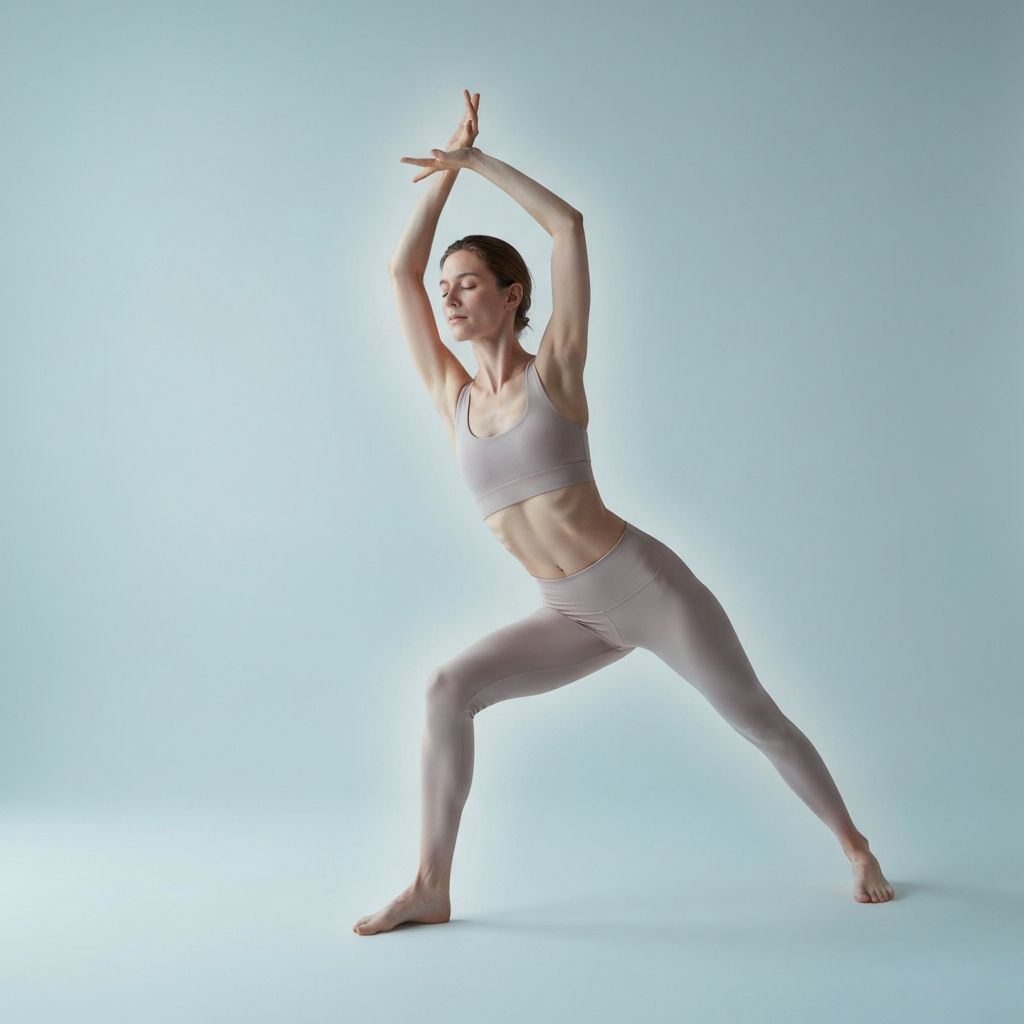
The Mind-Body Connection Through Movement
The relationship between physical movement and psychological well-being extends far beyond simple exercise benefits. Mindful movement—the practice of engaging in physical activity with conscious awareness and intentional presence—uniquely integrates physical and mental dimensions of well-being. This integration addresses the false separation between body and mind, recognizing them as unified systems where each influences the other.
Modern life often creates disconnection from bodily sensation and physical awareness. Desk work, technology use, and sedentary habits foster a state where individuals inhabit their bodies without true awareness of physical sensation or presence. Mindful movement practices counteract this disconnection, fostering conscious awareness and presence within the physical body.
Walking Meditation: Movement as Mindfulness Practice
Walking meditation represents an accessible mindful movement practice combining physical activity with meditation principles. Rather than walking for speed or distance, walking meditation emphasizes conscious awareness of each step, the sensation of feet contacting the ground, and the rhythm of movement. This focused awareness transforms ordinary walking into a contemplative practice.
The practice begins with slowing the walking pace below normal speed, allowing full attention to bodily sensation. Awareness extends to foot pressure patterns, leg muscle engagement, weight shifting, and breath coordination with movement. Some practitioners silently repeat simple words or mantras synchronized with stepping. This integration of physical movement with mental focus creates a meditative state distinct from sitting meditation.
Walking meditation proves particularly valuable for individuals who find sitting meditation challenging or uncomfortable. The natural rhythm of walking provides a framework for sustained attention, while the physical movement supports emotional regulation and stress relief. Regular walking meditation practice contributes to both physical and psychological well-being.
Gentle Yoga: Bridging Physical and Mental States
Yoga traditions recognize the intimate connection between physical postures, breath, and mental states. Gentle yoga practices—focusing on slow, mindful movements rather than challenging athletic positions—integrate physical stretching with breath awareness and mental focus. This integration addresses flexibility and strength while simultaneously cultivating psychological states of calm and presence.
The conscious coordination of breath with movement in yoga practice grounds attention in the present moment. Practitioners learn to notice physical sensations—stretching, tension release, comfort—while maintaining breath awareness. This dual focus creates a meditative quality distinct from physical exercise performed without conscious awareness.
Regular yoga practice develops greater body awareness, reduced muscle tension, and improved flexibility while simultaneously reducing anxiety and fostering mental calm. The practice addresses whole-person wellness, refusing the false division between physical and mental health.
Conscious Breathing: The Bridge Between Body and Mind
Breathing represents the most direct link between automatic physiological processes and conscious control. Unlike heart rate or digestion, breathing occurs automatically yet remains subject to voluntary control. This unique status makes breathing an ideal bridge between body and mind in movement practices.
Conscious breathing—deliberately attending to breath rhythm and quality—profoundly influences physical and psychological states. Deep diaphragmatic breathing activates the parasympathetic nervous system, shifting the body from stress response toward relaxation. This shift manifests as reduced heart rate, lowered blood pressure, and psychological calming. Movement synchronized with conscious breathing amplifies these benefits.
Simple breathing practices enhance movement benefits. Inhaling during relaxation or opening movements and exhaling during stretching deepens the stretching sensation while maintaining mental focus. Breath awareness transforms mechanical movement into a mindfulness practice.
Tai Chi: Slow, Intentional Movement as Practice
Tai chi represents an ancient practice combining slow, flowing movements with breath awareness and mental focus. The practice emphasizes balance, flow, and internal awareness rather than muscular exertion. Practitioners develop body awareness through sustained attention to physical sensation and movement quality.
The meditative qualities of tai chi arise from the sustained attention required to perform flowing sequences with precision and awareness. The slow pace allows full attention to minute physical sensations and postural adjustments. This absorbed attention creates a state of mental calm while the continuous movement develops strength, balance, and flexibility. Tai chi demonstrates how movement can simultaneously address physical and psychological dimensions of well-being.
Stress Reduction Through Mindful Movement
Physical activity alone reduces stress and anxiety through physiological mechanisms. Mindful movement intensifies these benefits by engaging conscious attention, creating distance from stressful thoughts through present-moment focus. The combination of physical activity, conscious breathing, and mental focus creates particularly effective stress reduction.
During mindful movement, stressful thoughts lose their compulsive quality as attention grounds in bodily sensation and breath. This mental quieting occurs not through forced suppression but through gentle redirection of attention. Regular practice develops skill in this redirection, enabling individuals to create psychological distance from stressful thoughts during daily life.
Body Awareness and Movement Quality
Mindful movement develops heightened body awareness extending beyond the practice itself. Practitioners develop greater sensitivity to tension patterns, postural habits, and movement efficiency. This awareness informs daily activities, enabling conscious postural adjustments and tension release that prevent accumulation of physical stress.
Improved movement quality, developed through mindful practices, reduces injury risk and mechanical stress on joints. Conscious awareness of movement mechanics enables subtle adjustments that distribute stress more efficiently across the body, supporting long-term physical health.
Integration Into Daily Life
Mindful movement practices need not be limited to formal sessions. Simple integration into daily activities—conscious awareness during routine walking, deliberate breathing during household tasks, or intentional stretching breaks during work—extends mindful movement benefits throughout the day. These brief practices accumulate, creating sustained improvements in both physical and psychological well-being.
Even brief moments of conscious movement—a few conscious breaths during transitions, a mindful walk to a nearby destination, or intentional stretching—interrupt stress patterns and reconnect attention with bodily sensation. These small practices compound over time, fostering greater baseline calm and body awareness.
The Holistic Impact of Mindful Movement
Mindful movement practices address the whole person, refusing the false separation between body and mind that characterizes much modern wellness thinking. These practices simultaneously develop physical capacity—flexibility, strength, balance—while cultivating psychological qualities—calm, clarity, presence. This integrated approach proves more powerful than physical exercise alone for supporting genuine well-being and life quality.
Educational Information
This article is provided for educational purposes only. It presents general information about mindful movement practices and their potential benefits. Individuals should consult with qualified healthcare providers before beginning new movement practices, particularly if they have physical limitations or health concerns.